
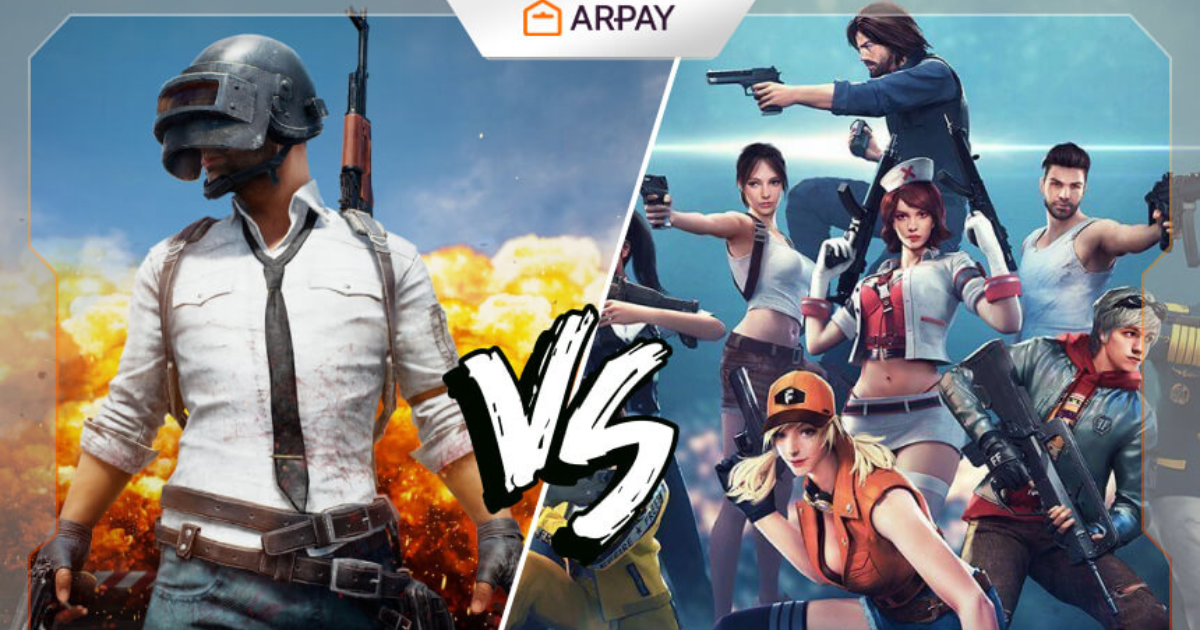
1. Core Gameplay & Match Style
-
PUBG Mobile offers a more realistic, tactical experience. Matches have up to 100 players on larger maps (Erangel, Miramar, Sanhok, etc.). There are varied terrain types, realistic weapon recoil, bullet physics, and attachments.
-
Free Fire (including Free Fire MAX) is built for faster, more arcade-style play. Matches are shorter (≈10-15 minutes), usually 50 players, smaller maps, quicker looting, simpler weapon mechanics, and more frequent action.
2. Graphics, Visuals & Device Requirements
-
PUBG Mobile has higher fidelity graphics, realistic environments, dynamic weather, and more visual polish. But it demands better hardware (RAM, graphics chip) to run smoothly on higher settings.
-
Free Fire is lighter and optimised for low- to mid-range devices. Graphics are more “stylised” or cartoonish, but that’s a trade-off many players accept for smoother performance and lower device requirements.
3. Player Count, Maps & Match Duration
-
PUBG’s larger maps + more players = longer matches. For players who like looting, strategic positioning, stealth, longer survival, this is a benefit.
-
Free Fire’s smaller matches mean faster action, more frequent encounters. Good if you want to drop in, have action quickly, not wait for 20-30 minutes.
4. Character Abilities & Customization
-
Free Fire has character system with unique abilities (active/passive skills), plus pets and special perks, which add a strategic layer beyond just gun mechanics.
-
PUBG tends to be more “equal playing field” in terms of characters; emphasis is more on gear, weapon attachments, positional skills, movement, aim.
5. Monetization, Free-to-Play vs Spend-to-Win
-
Both are “free to play” with optional in-game purchases. However, Free Fire often gives more frequent freebies / redeem codes, smaller/piecewise purchases, and more cosmetic options that are affordable.
-
PUBG’s premium cosmetics, skins, Royale Passes tend to be more “premium feeling” but also higher cost; the game demands more from your device, and for ideal experience, more investment (in device or in-game purchases).
6. Esports / Community
-
PUBG has a strong global esports presence (e.g. PUBG Mobile Global Championship), large prize pools, and is often preferred by more “hardcore” competitive players.
-
Free Fire also has a big community, especially in developing countries; regional tournaments are very active, and often more accessible to casual or newer players.
Who Each Game Suits
Here are suggestions on who might prefer which:
| Player Profile | Likely to prefer PUBG Mobile | Likely to prefer Free Fire |
|---|---|---|
| You have a mid- or high-end device, care about immersive graphics and realism | ✅ | Might find device strained |
| You want long matches, strategic play, tactical positioning, realism | ✅ | Match pace may feel slower |
| You want quick, action-packed sessions, simpler controls, play on low-end phones | ✅ | |
| You enjoy character skills, perks, unique ability mechanics | ✅ | |
| You care about esports & competitive ranking | ✅ | ✅ (but more regionally) |
| You prefer free content, frequent rewards, less investment for cosmetics | ✅ |
Conclusion:
There really isn’t a one-size-fits-all answer. In 2025:
-
PUBG Mobile is better if you value realism, longer immersive matches, high graphic fidelity, strategic gameplay.
-
Free Fire is great for faster sessions, lower device specs, character ability variety, and more forgiving casual play.
If you’re writing this for your audience, a good approach is: suggest first they define their priorities (graphics vs performance, how much time per match, competitive or casual, device quality) — then present which game matches these priorities better.