
Introduction
Gaming used to be seen as a “boys’ club,” but that stereotype is fading fast. Women have always been part of gaming — as players, developers, artists, and leaders — but only recently have they started getting the recognition they deserve.
The rise of women in gaming isn’t just changing demographics — it’s changing the culture.
Women Gamers Are Everywhere
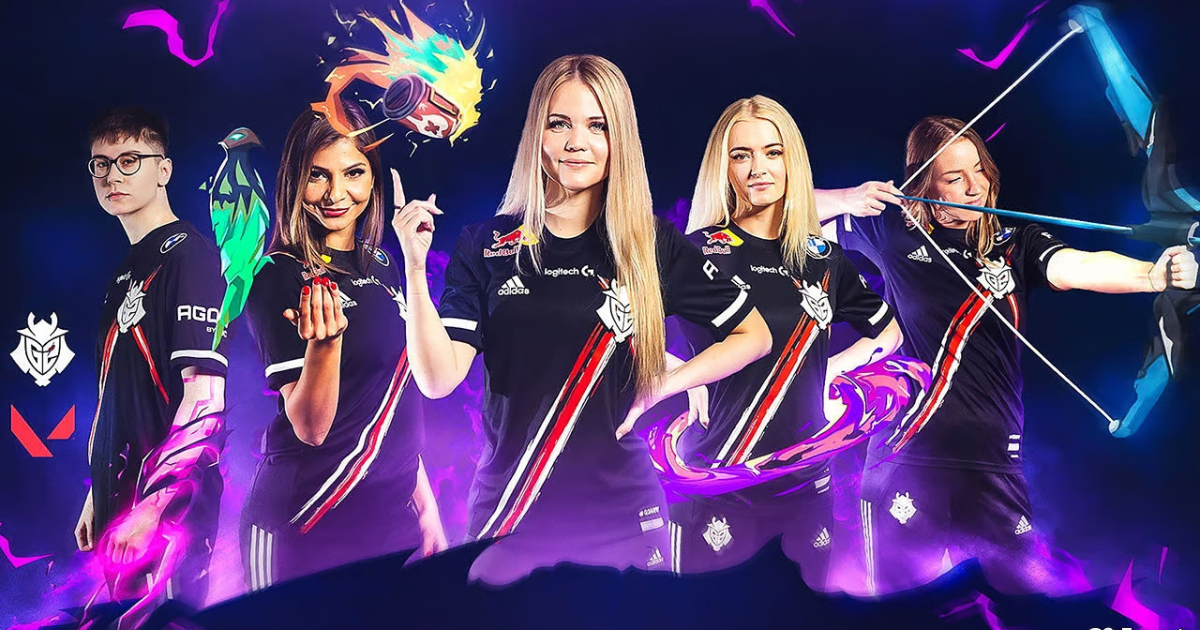
According to recent studies, nearly half of all gamers today are women. From mobile gaming to esports, women are everywhere — streaming, competing, and creating content.
Female-led communities like Black Girl Gamers and GirlGamer Esports Festival are empowering women to connect and showcase talent in spaces that once excluded them.
Female Developers Shaping the Future
Behind the scenes, women are building some of the best games out there.
-
Amy Hennig – director of Uncharted
-
Ikumi Nakamura – artist behind The Evil Within and Ghostwire: Tokyo
-
Kiki Wolfkill – executive producer for Halo
These creators have proven that gaming’s most iconic experiences aren’t tied to gender — they’re born from vision.
Breaking the Stereotypes
For too long, female gamers faced gatekeeping, harassment, and underrepresentation. But the narrative is shifting.
Streaming platforms like Twitch and YouTube have given women direct access to audiences without needing to “fit in” to industry expectations. Gamers like Pokimane, Valkyrae, and Loserfruit have turned their passion into empires.
Their success proves that skill, charisma, and authenticity matter more than stereotypes.
Representation in Games
The characters we play also reflect change. From Aloy in Horizon Zero Dawn to Ellie in The Last of Us Part II, female protagonists are no longer the exception — they’re leading the charge.
Better representation inspires inclusivity, showing players that gaming is truly for everyone.
Challenges That Remain
Despite progress, challenges persist. Women still face toxicity in online spaces and underrepresentation in leadership roles.
But awareness and advocacy are growing. Organizations like Women in Games International and Girls Who Code are opening doors for the next generation of developers and leaders.
The Power of Community
When women support women in gaming, the results are powerful. Inclusive spaces encourage creativity, mentorship, and innovation.
As more voices enter the conversation, the industry becomes richer and more diverse. Everyone wins when gaming welcomes everyone.
Conclusion
Women have always been gamers — now they’re shaping what gaming becomes next. From streamers to studio heads, they’re proving that passion and talent know no gender.