
Introduction
Once upon a time, mobile gaming meant playing Snake on a Nokia brick phone. Fast forward to today — we’ve got Genshin Impact, Call of Duty: Mobile, and PUBG Mobile delivering console-quality experiences right on our phones.
The mobile gaming revolution didn’t just sneak up on us — it completely redefined what “gaming” means.
From Casual to Core
Mobile gaming started as casual fun — quick, easy, and bite-sized. Games like Angry Birds, Temple Run, and Candy Crush Saga made millions by being simple yet addictive.
But as smartphones evolved, so did expectations. Players wanted richer graphics, deeper gameplay, and competitive modes. The line between “mobile” and “console” began to blur.
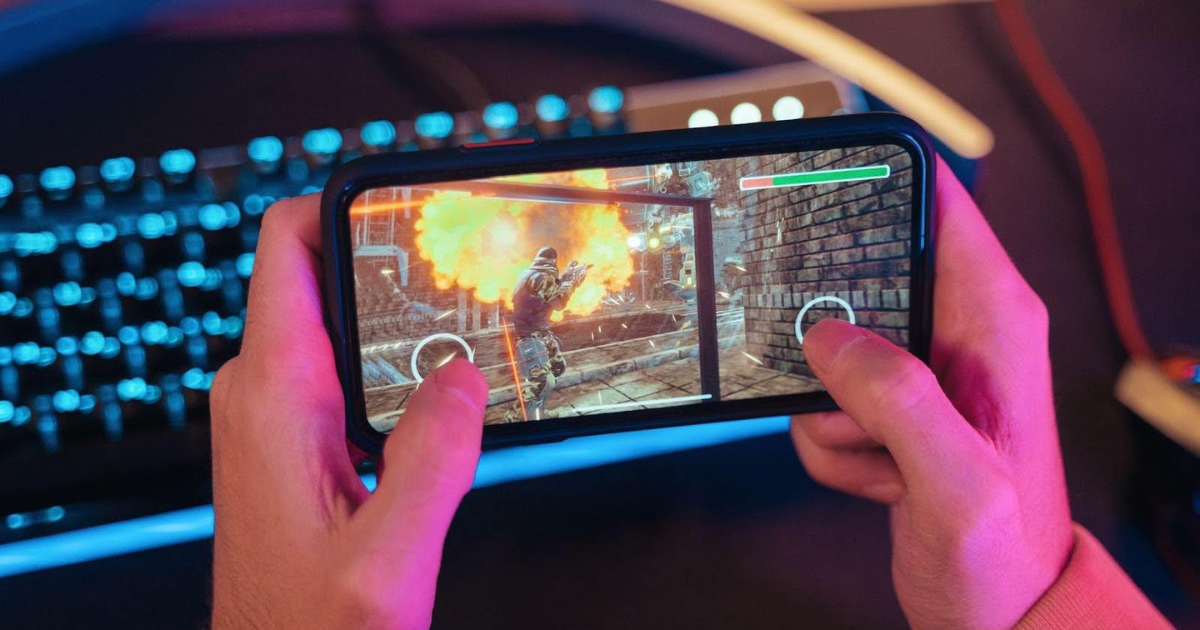
Today, you can play full-fledged RPGs, shooters, and MMOs on the same device you text on.
Power in Your Pocket
Modern smartphones are beasts. With chipsets like Apple’s A17 Pro and Qualcomm’s Snapdragon 8 Gen 3, they rival dedicated consoles from just a few years ago.
Add features like 120Hz displays, haptic feedback, and adaptive triggers (like on the ROG Phone 8), and suddenly your phone feels like a next-gen handheld.
Even major console developers are porting titles to mobile — Apex Legends Mobile, Diablo Immortal, and Fortnite all prove that mobile hardware can handle serious gaming.
Accessibility and Reach
The real power of mobile gaming is accessibility. Billions of people own smartphones, meaning anyone, anywhere, can become a gamer.
That global reach has turned mobile into the largest gaming platform by revenue. It’s not just a niche anymore — it’s the mainstream.
Developers love it because mobile gaming brings in casual players who might never buy a console or PC. For many in developing countries, the smartphone is the console.
Free-to-Play and Monetization
Mobile gaming also changed how we pay for games. The free-to-play model became dominant, where players can download for free and spend money on cosmetics, characters, or convenience items.
It’s a controversial system — some argue it encourages pay-to-win mechanics, while others appreciate the flexibility.
Done right, it’s genius. Games like Clash Royale and Genshin Impact make billions without charging upfront.
Esports on the Go
Mobile esports is booming too. Titles like PUBG Mobile, Mobile Legends, and Free Fire host global tournaments with million-dollar prize pools.
It’s proof that mobile gaming isn’t “lesser” — it’s just different. Competitive players use custom controllers, triggers, and optimized devices to push performance to the limit.
The Future of Mobile Gaming
With cloud gaming, 5G, and AI, the next step is seamless play-anywhere experiences. Imagine streaming Cyberpunk 2077 on your phone at console quality. Services like Xbox Cloud Gaming and NVIDIA GeForce NOW already make that possible.
We’re also seeing hybrid devices like the Razer Edge and Logitech G Cloud, blurring the line between phone and console even further.
Conclusion
The mobile gaming revolution has arrived — and it’s not slowing down. What started as simple time-killers has evolved into a powerhouse industry shaping the future of play.